Navigating the UK Business Visa: Your Essential Guide for Expats


Are you an expat with entrepreneurial dreams or a vision to contribute to the dynamic UK business landscape? The United Kingdom offers a wealth of opportunities for global talent, but understanding the visa pathways is key to unlocking your potential. This guide will walk you through the primary UK business visa options for expats, helping you to confidently embark on your journey.
Understanding UK Business Visas for Expats
The UK immigration system provides several routes for individuals looking to establish, run, or join a business within its borders. While the specific requirements vary, the overarching goal is to attract innovative ideas, create jobs, and foster economic growth.

Key Visa Routes for Business-Minded Expats
For expats aiming to engage in business activities in the UK, several visa categories are particularly relevant:
- Innovator Founder Visa: This visa is designed for experienced businesspeople seeking to set up and run an innovative business in the UK. Your business idea must be endorsed by an approved body, be genuinely innovative, viable, and scalable.
- Scale-up Visa: If you’re a talented individual recruited by a fast-growing UK business (a ‘scale-up’), this visa might be your route. It allows you to come to the UK without needing an endorsement, provided you have a job offer from an eligible scale-up sponsor.
- Skilled Worker Visa: While primarily for employees, this route can be relevant if you’re an expat being sponsored by your own UK company (if it’s a legitimate, trading entity with a sponsor licence) or if you’re filling a highly skilled role in an existing UK business.
- Global Talent Visa: Although not exclusively a ‘business’ visa, it can be a pathway for those recognised as leaders or emerging leaders in fields such as digital technology, science, arts, and humanities, who may then pursue business ventures in the UK.
Eligibility Criteria: What You Need to Know
Each visa category has distinct requirements, but some general principles apply. It’s crucial to meet these criteria to ensure a successful application.
General Requirements
Common requirements across various business visas often include:
- Proof of Funds: Demonstrating you have sufficient funds to support yourself in the UK without recourse to public funds.
- English Language Proficiency: Meeting the required level of English language skills, usually by passing an approved test or holding a degree taught in English.
- Genuine Intention: Convincing the Home Office that your stated purpose for coming to the UK is genuine and you intend to comply with visa conditions.
Specific Requirements for Key Visas
- Innovator Founder Visa: Requires an endorsement from an approved endorsing body, a detailed business plan, and proof of funds for investment in your business (though there is no minimum investment fund requirement from 13 April 2023).
- Scale-up Visa: Demands a valid Certificate of Sponsorship from an eligible UK scale-up employer, an appropriate salary for the role, and demonstrating genuine employment.
- Skilled Worker Visa: Requires a Certificate of Sponsorship from a licensed employer, a job offer that meets the skill level and salary threshold, and proof of qualifications.
The Application Process: Step-by-Step
Applying for a UK business visa involves several stages. Being well-prepared and organised will significantly ease the process.

Gathering Your Documents
Before you even begin the online application, compile all necessary documents. This will typically include your passport, financial statements, English language certificates, academic qualifications, and any specific endorsement letters or Certificates of Sponsorship.
Online Application
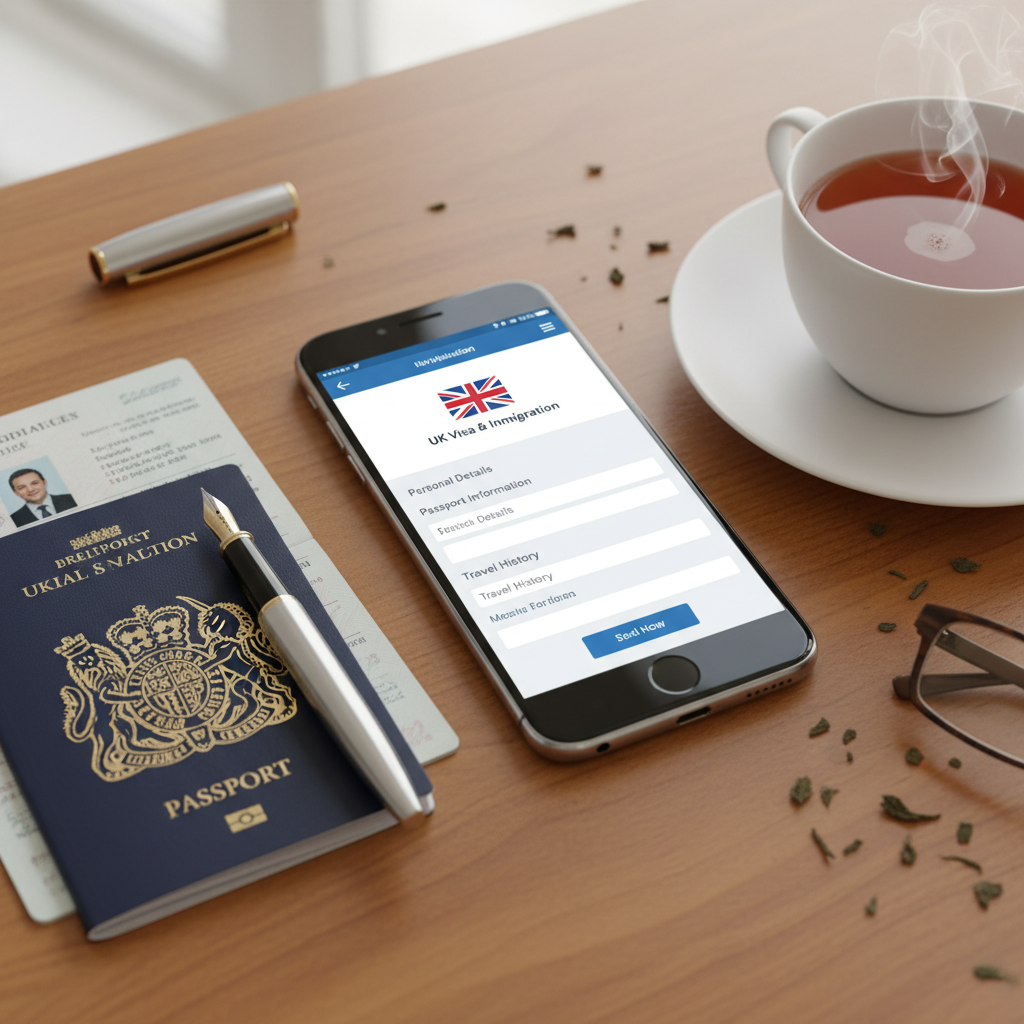
Most UK visa applications are completed online via the official UK government website. You’ll need to fill out detailed forms, answer questions about your background and intentions, and upload your supporting documents.
Biometrics and Interview
After submitting your online application, you’ll usually be required to attend an appointment at a Visa Application Centre (VAC). Here, your fingerprints and photograph (biometrics) will be taken. Depending on your nationality and visa type, you may also be required to attend an interview.
Decision and Next Steps
Once a decision is made, you will be informed. If successful, you will receive your visa, allowing you to enter the UK. Upon arrival, you may need to collect your Biometric Residence Permit (BRP) if staying for an extended period.
Tips for a Smooth Application
Navigating immigration can seem daunting, but these tips can help make your application process smoother:
Seek Professional Advice
Consider consulting with an immigration solicitor or adviser who specialises in UK business visas. Their expertise can be invaluable in understanding the nuances of the law and ensuring your application is robust.
Plan Ahead
Start your application well in advance of your intended travel date. Processing times can vary, and unforeseen delays can occur. Allow ample time for gathering documents and potential follow-up requests.
Understand the UK Business Landscape
Familiarise yourself with the UK’s business environment, legal frameworks, and market conditions relevant to your proposed venture. This knowledge will not only strengthen your application but also better prepare you for success once you arrive.
Embarking on a business venture in the UK as an expat is an exciting prospect. By understanding the visa requirements and preparing thoroughly, you can pave the way for a successful and rewarding experience in one of the world’s leading economic hubs.