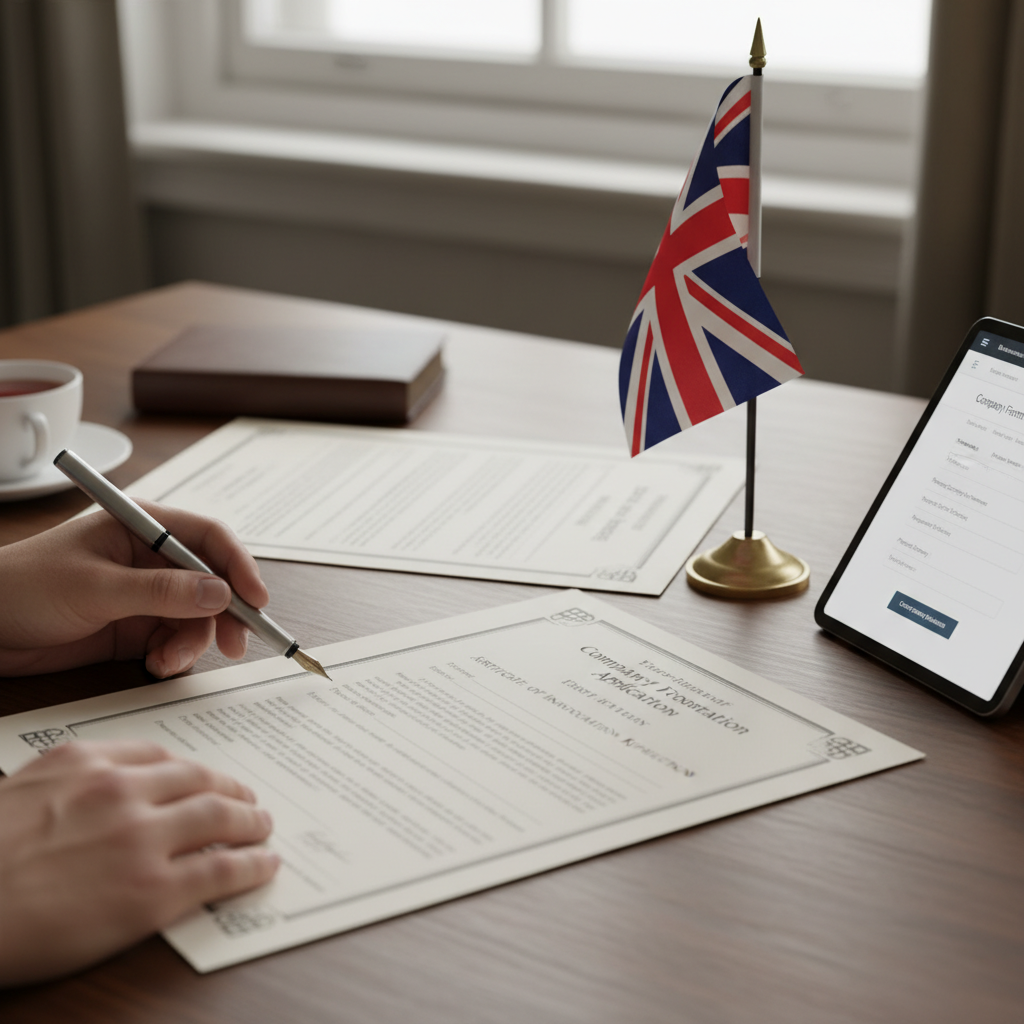
Dreaming of expanding your business horizons? The United Kingdom has long been a beacon for entrepreneurs worldwide, offering a stable economic environment, a prestigious business image, and unparalleled access to international markets. For foreign entrepreneurs, establishing a company in the UK might seem like a complex endeavor, but with the right guidance, it’s a straightforward path to global success. Let’s explore everything you need to know about forming a UK company.
Why Choose the UK for Your Business?
The UK isn’t just a picturesque destination; it’s a dynamic business hub. Here’s why many foreign entrepreneurs choose to set up shop here:
Economic Stability and Global Influence
The UK boasts one of the world’s largest and most stable economies, providing a robust foundation for any new venture. Its capital, London, remains a leading global financial center, attracting investment and talent from across the globe. This stability offers confidence and security for businesses looking to grow.
Prestigious Business Image
A UK-registered company often carries a significant degree of credibility and prestige on the international stage. This can enhance your brand’s reputation, open doors to new partnerships, and instill trust in potential clients and investors worldwide.
Access to European and Global Markets
While the UK has left the European Union, it remains a critical gateway to both European and global markets. Its strategic geographical location, coupled with extensive trade agreements, allows businesses to efficiently reach customers across continents.
Favorable Tax Environment and Business Support
The UK offers a competitive corporate tax rate, making it an attractive location for profit generation. Furthermore, the government actively supports businesses through various initiatives, grants, and a clear, well-regulated legal framework, fostering an environment conducive to growth and innovation.
Key Requirements for Foreign Entrepreneurs
Setting up a company in the UK is surprisingly accessible for non-residents. Here are the core requirements you’ll need to meet:
Director Requirements
A UK private limited company must have at least one director. This director can be of any nationality and does not need to be a UK resident. There are no restrictions on the number of directors you can appoint.
Registered Office Address
Every UK company must have a registered office address in the UK. This is the official address where Companies House (the UK’s registrar of companies) and HMRC (Her Majesty’s Revenue and Customs) will send official mail. You don’t need to physically operate from this address; many foreign entrepreneurs use professional services that provide a registered office address.
Company Secretary (Optional)
For private limited companies, appointing a company secretary is optional, although it can be beneficial for ensuring compliance and administrative efficiency. If appointed, the secretary can also be a non-UK resident.
Shareholders
A company must have at least one shareholder, who can also be a director. There are no residency restrictions for shareholders. You’ll need to specify the share capital (the value of shares issued).
The Formation Process: A Step-by-Step Guide
The process of forming a company in the UK is streamlined and can often be completed quickly, especially with professional assistance:
1. Choose a Company Name
Your company name must be unique and not similar to any existing company names registered with Companies House. You can check availability on the Companies House website.
2. Prepare Your Documents
You’ll need to prepare the Memorandum and Articles of Association. The Memorandum states that the subscribers wish to form a company, while the Articles outline the company’s rules for internal management.
3. Appoint Directors and Shareholders
Decide who will be the directors and shareholders and obtain their consent. You’ll need their personal details, including full names, addresses, and dates of birth.
4. Register with Companies House
This is the core step. You can register your company online, by post, or through a company formation agent. Online registration is the fastest and most common method.
5. Open a UK Business Bank Account
Once your company is formed, you’ll need a UK business bank account. This can sometimes be challenging for non-resident directors, but many fintech solutions and traditional banks now cater to international clients, often requiring proof of address and identity.
Post-Formation Considerations
Formation is just the beginning. To ensure your company thrives, consider these ongoing obligations:
Compliance and Filings
UK companies must file an annual confirmation statement with Companies House, confirming company details. You must also keep statutory registers updated, recording information about directors, shareholders, and significant persons with control.
Tax Obligations
Your company will be subject to Corporation Tax on its profits. You’ll need to register with HMRC for Corporation Tax and file annual company tax returns. Depending on your business activities, you might also need to register for VAT (Value Added Tax).
Accounting
Maintaining accurate financial records is crucial. You’ll need to prepare annual statutory accounts, which must comply with UK accounting standards and be filed with Companies House and HMRC.
Benefits of Professional Assistance
While forming a UK company is manageable, engaging a professional company formation agent or legal service can be incredibly beneficial for foreign entrepreneurs. They can guide you through the process, ensure all requirements are met, help with registered office services, and provide ongoing compliance support, allowing you to focus on your core business.
Conclusion
Establishing a company in the UK as a foreign entrepreneur is a fantastic way to access a thriving market and enhance your business’s international standing. With a clear understanding of the requirements and processes, combined with the right support, your journey to UK business success can be smooth and rewarding. Don’t hesitate to take the leap and unlock the vast potential that the UK business landscape has to offer!